
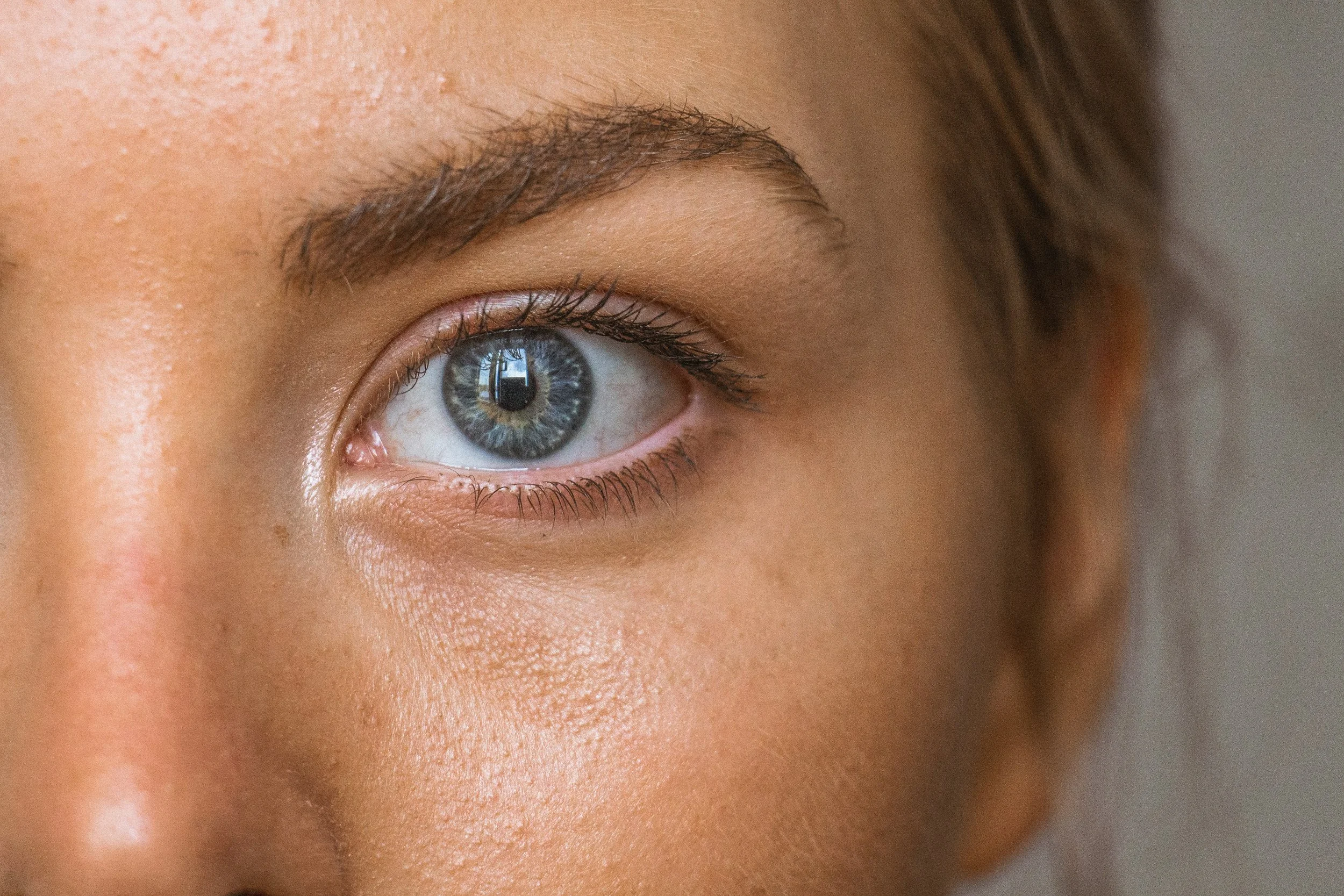
🌟 Why Eye Changes Happen After a Sternum Release
When the body’s midline is misaligned, the eyes often take on the role of stabilizing the head, neck, and torso, compensating for tension and misalignment. For many, this means that one eye — often the left — may drift outward as it overworks to keep the visual field stable. But this isn’t always an issue with the eye itself.
When the sternum is off-center, the visual system compensates by relying on posture and neck tension to keep the eyes aligned. This can lead to certain eye muscles, like the medial rectus (the muscle that pulls the eye inward), becoming weak and underactive. The body is working so hard to stabilize vision that the muscles needed to correct the alignment aren't firing properly.
Once the sternum is released and the body returns to a more balanced midline, the eye muscles, especially the medial rectus, are given “permission” to start firing again. This often results in sensations like twitching or tingling as the eye re-engages and the visual system re-organizes itself. It’s the body’s way of saying, “I’m ready to correct this now.”
This process is not only common in adults, but it also explains why many children experience visual challenges — issues like eye drifting and difficulty tracking can stem from misalignments in the sternum and midline, not just the eyes themselves.
Understanding this connection opens up new possibilities for how we approach vision therapy, showing us that true alignment begins deeper within the body.
When Big Movements Don’t Help… and the Tiny Ones Change Everything
Most people assume handwriting, posture, or coordination problems start in a child’s hands, shoulders, or back.
But the truth is beautifully surprising:
many of these challenges begin in one tiny, overlooked place — the sternum.
When the sternum is tight or rotated, the ribs can’t glide, the shoulders can’t move freely, and the whole body starts to work harder than it should.
But with the gentlest micro-movement — often so subtle you can barely see it — the entire system begins to unwind:
breath deepens,
posture softens,
the shoulder frees,
and even handwriting becomes easier.
This is why I always let parents feel the move first.
The body instantly recognizes it — not as a stretch or an exercise,
but as a return to the way it was designed to move.
Healing doesn’t have to be big to be powerful.
Sometimes the smallest movement in the center of the chest creates the biggest change everywhere else.
🌙 When the Body Repairs Itself: Why Sometimes Doing the Opposite Sets the Nervous System Free
Many children who struggle with milestones, focus, or coordination aren’t falling behind — they’re actually compensating in incredibly smart ways. When the eyes work harder than they should, the body takes the path of least resistance and lets the neck shift to help stabilize vision. These tiny adaptations are brilliant, but they can quietly affect posture, balance, attention, learning, and even brain development over time. At Ebb and Ease, I identify these hidden patterns so your child’s nervous system can return to easier movement, clearer focus, and exponential growth.
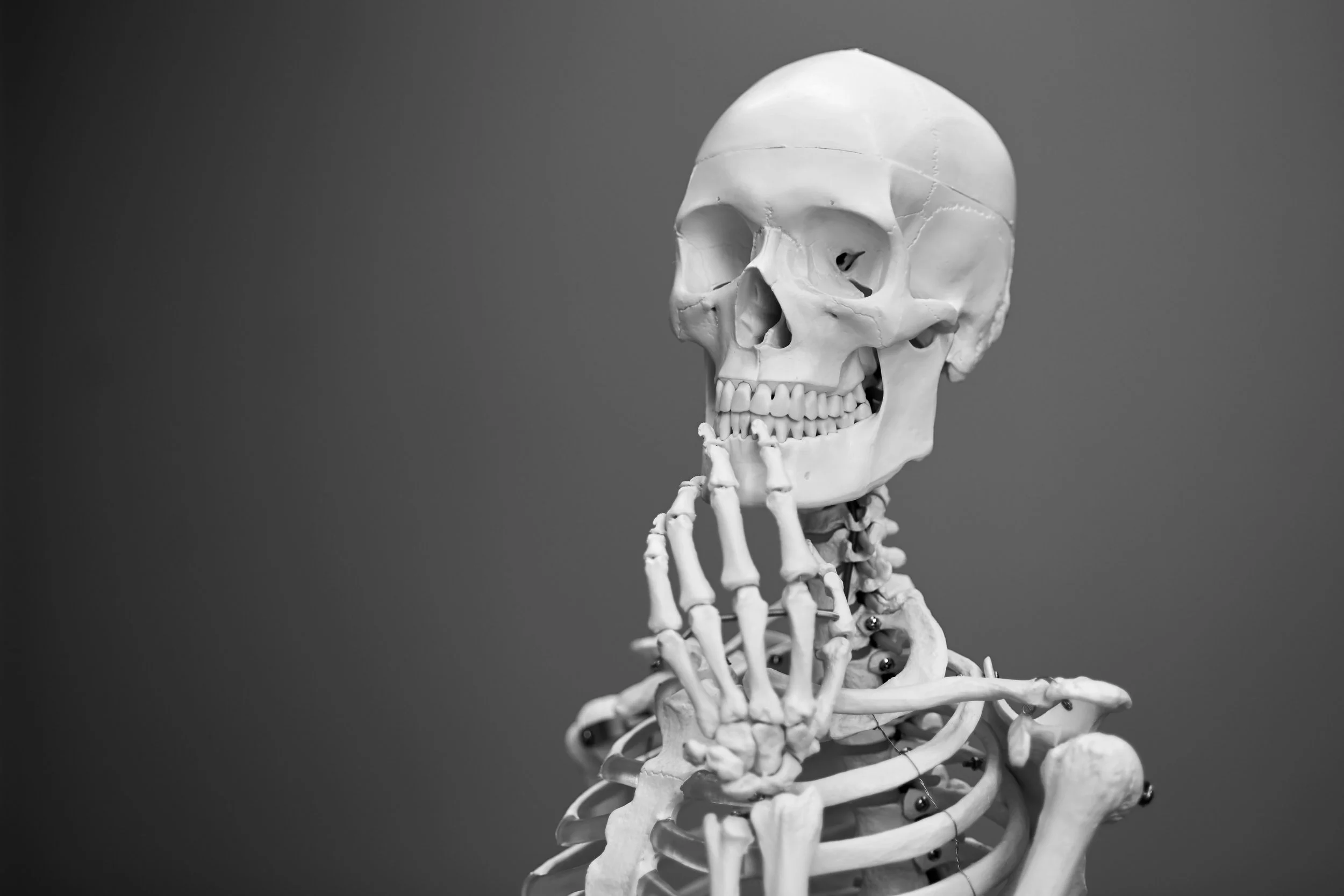
Bones Before Brawn: Why Alignment Creates the Blueprint for Muscle Growth
We often expect strength to fix everything — but muscles can only do their job when the bones beneath them are actually aligned. When a bone has spent years rotated, twisted, or subtly out of place, the muscles around it don’t get weak out of laziness… they adapt for survival. They brace, overfire, or underfire to create stability in a system that’s been off-axis for a long time.
So when the bones finally unwind and rotate into their natural orientation — sometimes in one elegant moment — the nervous system lets go of old tension patterns almost instantly. Strength doesn’t automatically appear overnight, but the ability to build real, functional strength finally turns back on.
It’s like flipping a breaker that’s been off for years.
Once the skeletal foundation is right, the body starts relearning how to contract, release, and coordinate on that side. The dormant muscle patterns wake up. Movement becomes smoother. And now, building strength isn’t a battle — it’s a return to what the body was always meant to access.
This is the beauty of “bones before brawn”:
alignment creates the possibility, practice rebuilds the pattern, and strength grows from ease instead of strain.
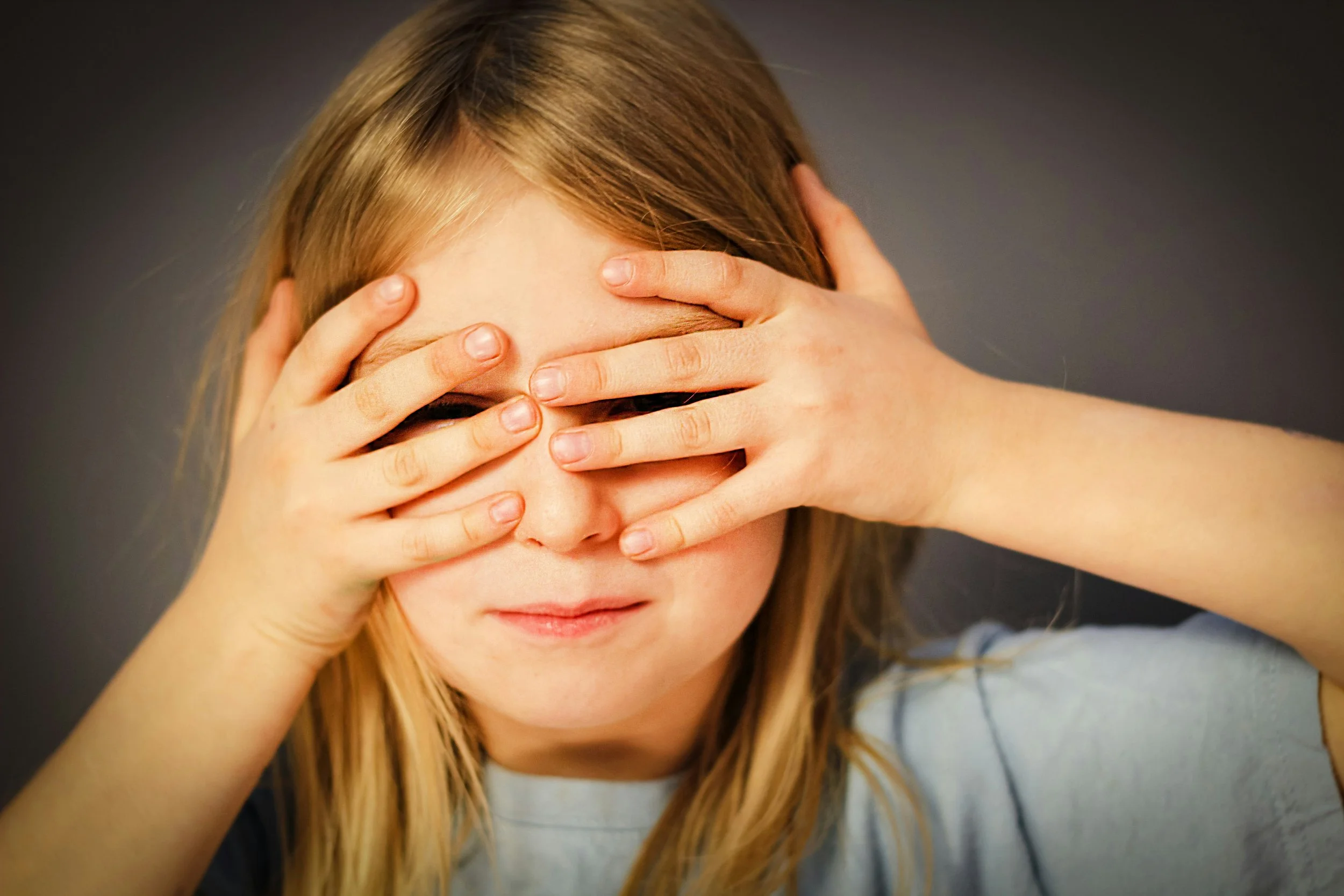
When a “Wondering Eye” Isn’t Just About Vision: How I Help Kids with Ocular-Vestibular Imbalances
Have you ever noticed your child’s eye drift a little, their head tilt to one side, or their balance seem “off” for no clear reason? What looks like “just an eye issue” can actually be part of a bigger story involving the inner ear (vestibular system), the jaw, and the neck. When the eyes and balance system aren’t working smoothly together, kids may struggle with reading, coordination, fatigue, or even emotional overwhelm.
In my work at Ebb and Ease, I gently support the eyes, head, jaw, and body as one connected system. Through calm, hands-on craniosacral and movement-based work, I help your child’s nervous system find a more relaxed, organized way to see and move in the world—so school, play, and everyday life feel easier and more enjoyable

Eye Tracking and Academics
When a child’s eyes can’t move smoothly across the page, schoolwork quietly turns into a marathon. Cross-lateral eye movement—the way both eyes track together from left to right—is essential for keeping one’s place, reading without constant re-reading, and finishing homework without headaches or tears. In my practice, I offer a gentle, comprehensive look at how a child’s eyes are teaming and tracking, then use movement-based support to help reading feel lighter, clearer, and far less exhausting.

How Subtle Vision Work Can Echo Through the Entire Nervous System
Vision isn’t just eyesight — it’s architecture.
Every tiny eye movement sends a whisper down the spine, shaping how the ribs glide, how the pelvis rotates, how a child discovers their place in space. When the eyes struggle to fix, track, or find center, the whole body leans in to help. Shoulders hitch. The torso twists. The neck tightens like it’s trying to carry the burden of the gaze.
It’s the body’s love language: compensate first, complain later.
Most parents never notice the subtle dance — the way a child cranes their head to favor one eye, or how reading makes their ribs tighten, or how a wobbly gait grows from something as simple as the eyes not agreeing on a midpoint. Even tiny asymmetries in vision can create full-body torsion, rippling down the fascial lines like a gentle spiral that slowly becomes a storm.
But here’s the part that still gives me goosebumps:
when we restore ease to the eyes — softening fixation, inviting tracking, nourishing that quiet binocular harmony — the whole body unwinds. The spine breathes. The pelvis shifts. Movement becomes fluid again, like the tide finding its natural rhythm.
Vision work isn’t about forcing the eyes.
It’s about honoring how the body holds the story…
and giving it permission to tell a new one.
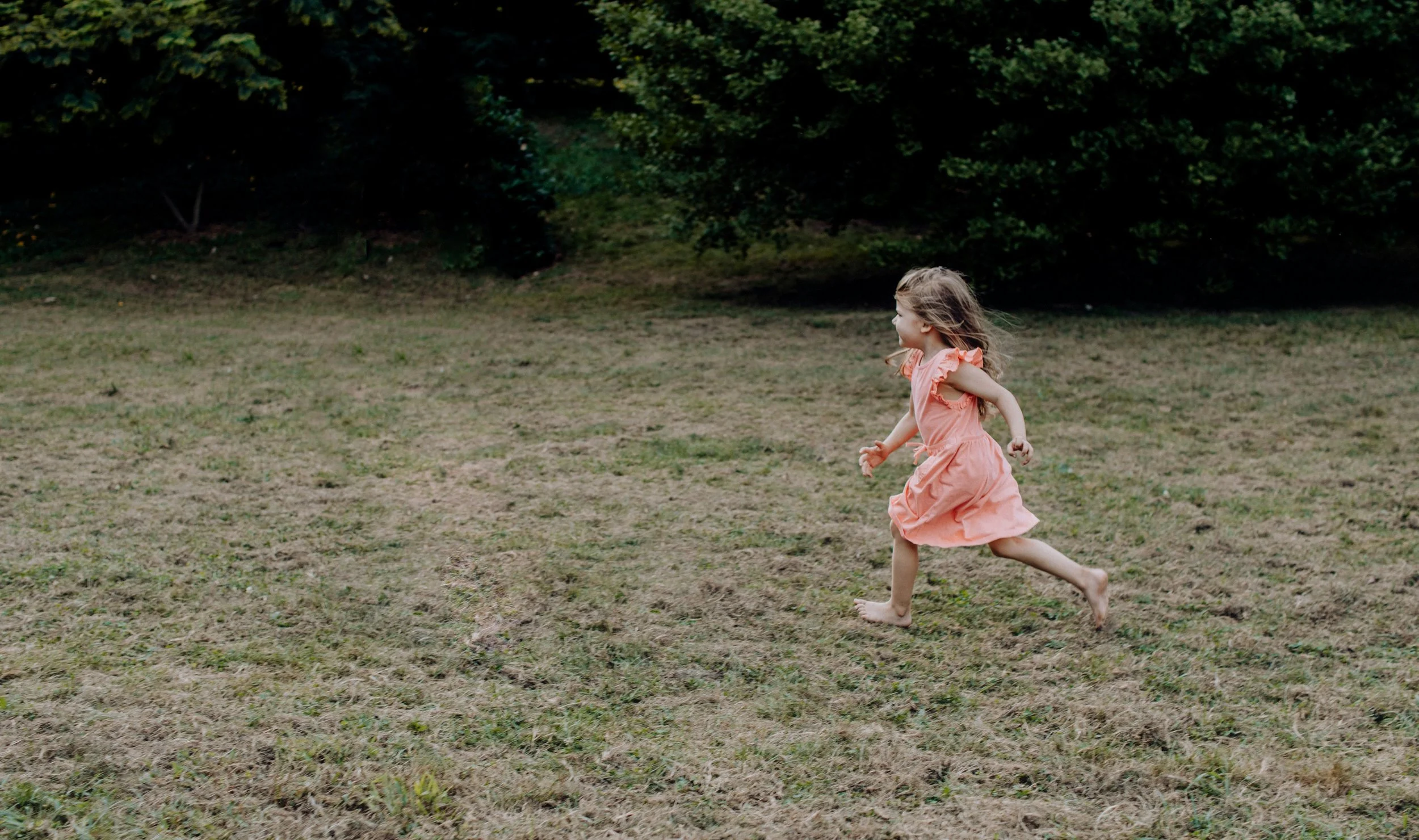
Why Do Some Kids Move Effortlessly—While Others Struggle?
Ever wonder why some children seem to move with ease while others face delays or frustration? The answer might surprise you. Movement isn’t just about muscles—it’s about vision, motivation, and how the body connects and responds to itself. In this blog, we explore how simple movement patterns can influence a child’s mobility, hip development, and even brain-body coordination.
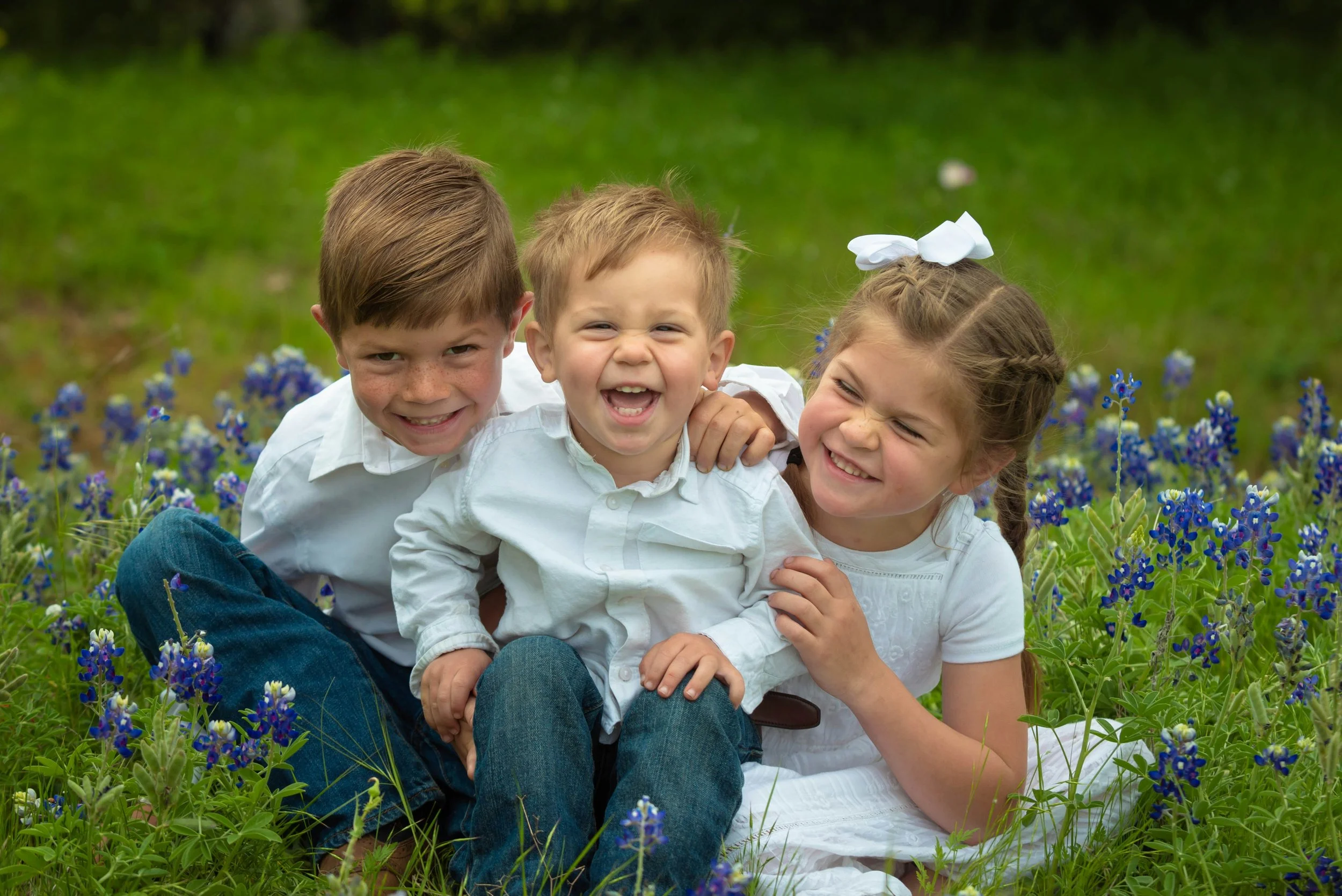
Overcoming Challenges in Starting Bodywork for Children
Starting bodywork with a child can come with unexpected challenges, but every challenge has a solution. Some children struggle to lie down due to balance and spatial awareness issues, while others may feel discomfort from digestive sensitivities or sensory overstimulation. These are all common, and with the right approach, they can be overcome.
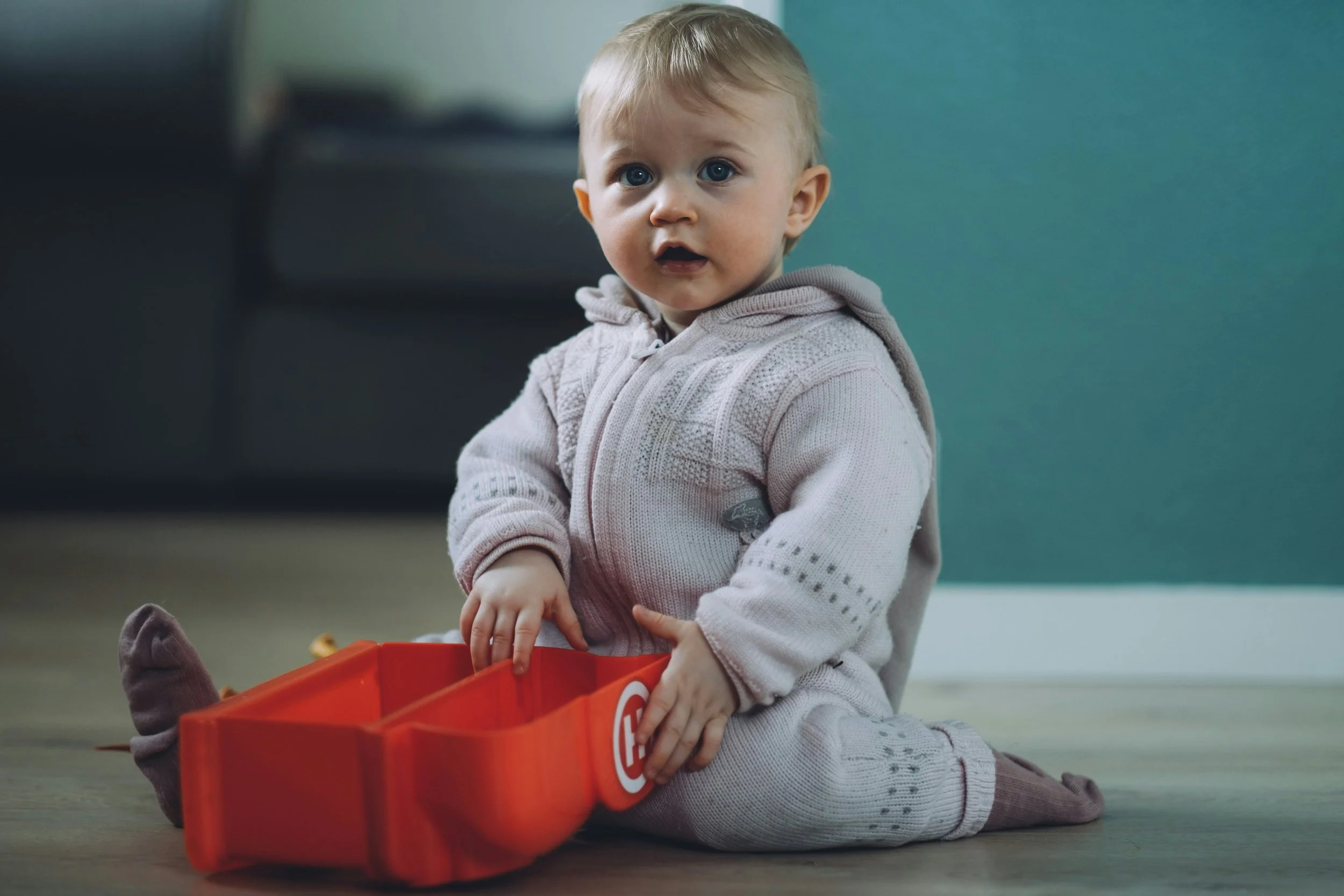
How Hip Tightness Affects Cognitive Development in Children
It might sound surprising, but tight hips can have a big impact on how we grow cognitively. Without proper movement patterns, kids don’t fully develop their cognitive and motor skills. That’s why it’s so important to focus on foundational movements, like hip rotation and mobility.